













































Child:
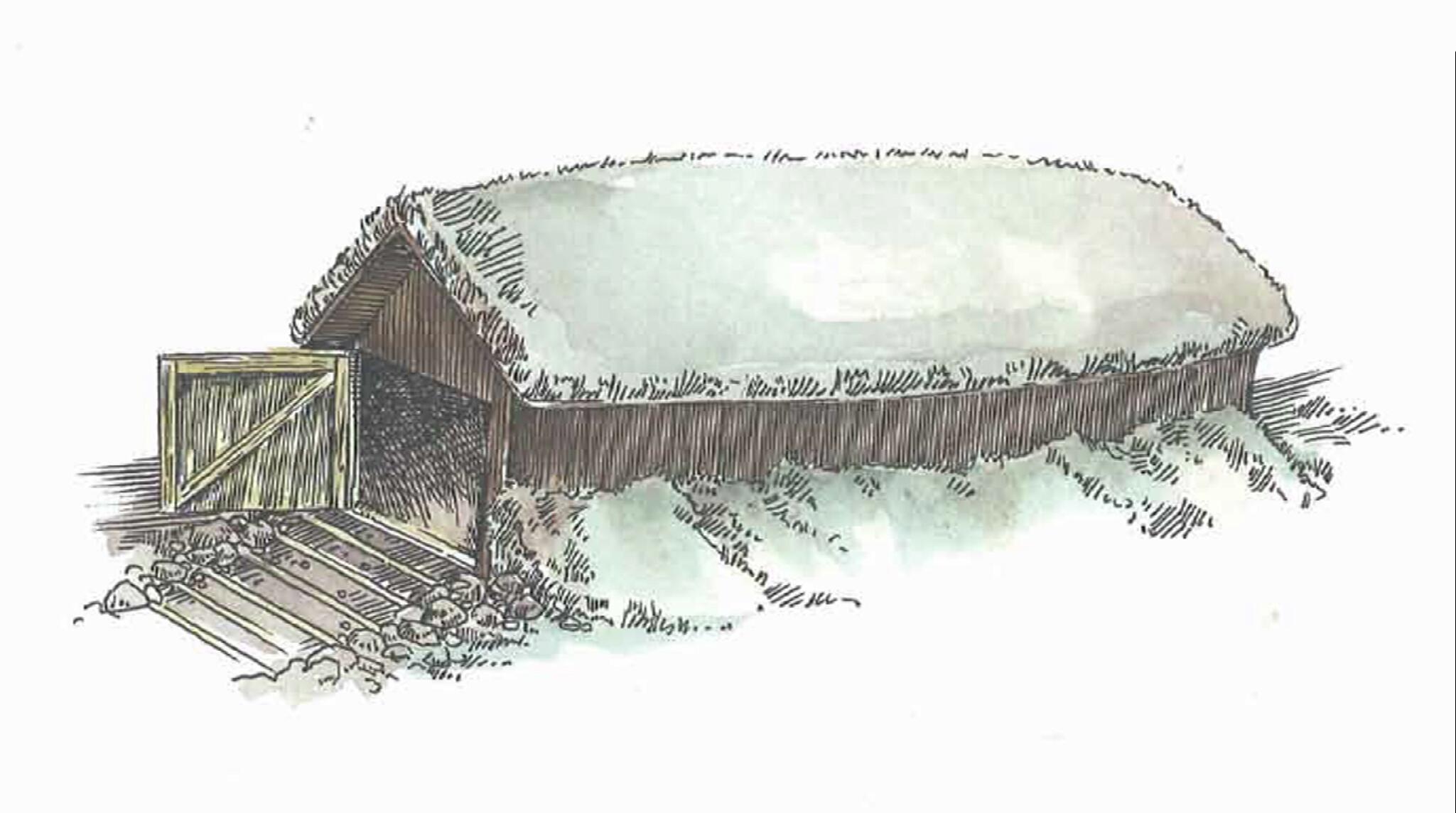
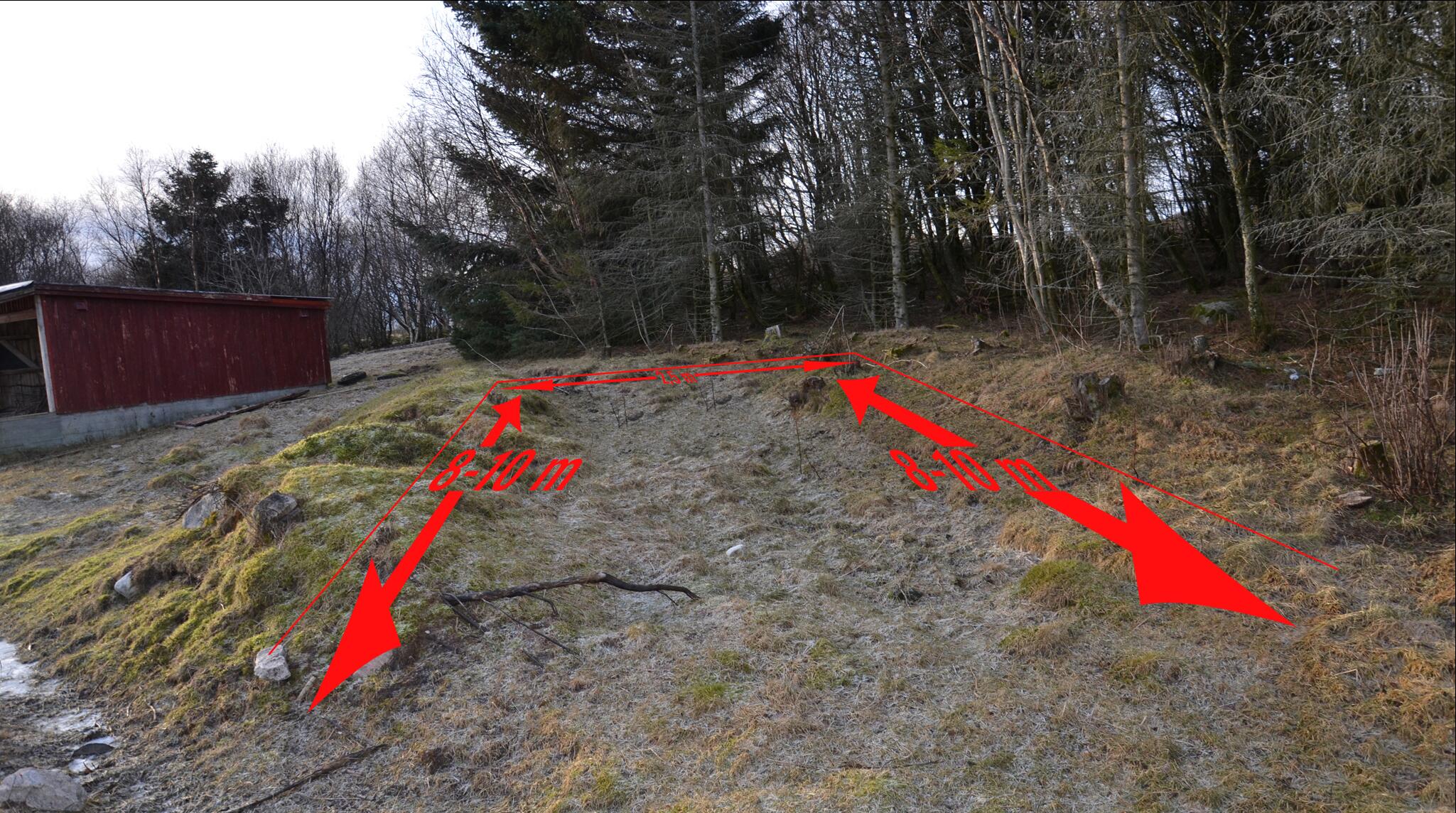
Why did they build a boathouse up here? It's over a hundred meters down to the shore.
Grandma:
That maybe the case today, but we must remember that the sea was somewhat different before. During the earlier Iron Age, the water most likely stood directly below the road here.
Grandma:
The boathouse that once was here would have been able to accommodate a fairly large ship.
During road works, two other boathouses wore sadly destroyed. A net sinker and some quail bones were then found, but nothing was kept.
Child:
That`s sad
Grandma:
Agreed, but a number of discoveries were made on the oter side of the water. And they wore kept.
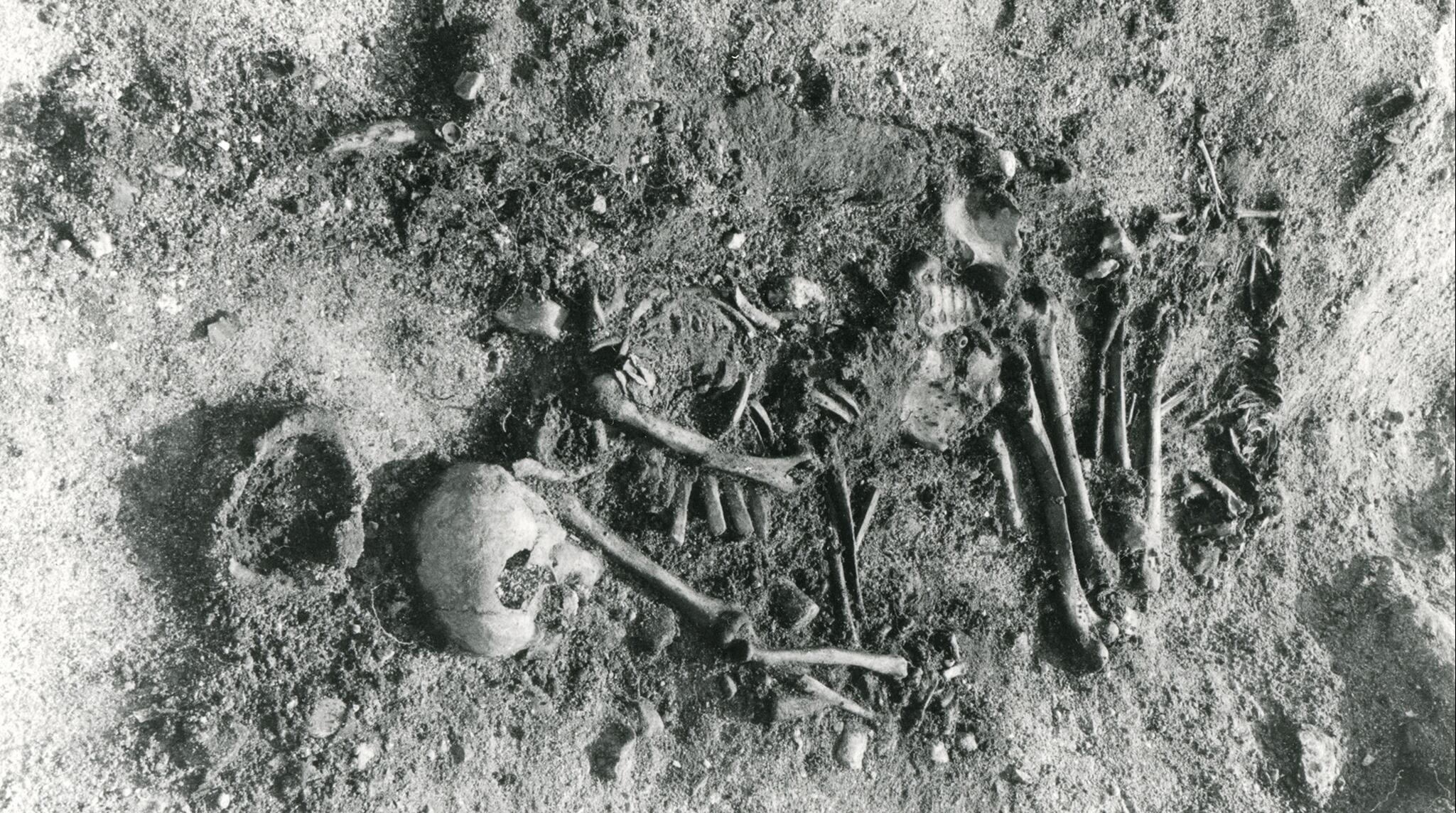
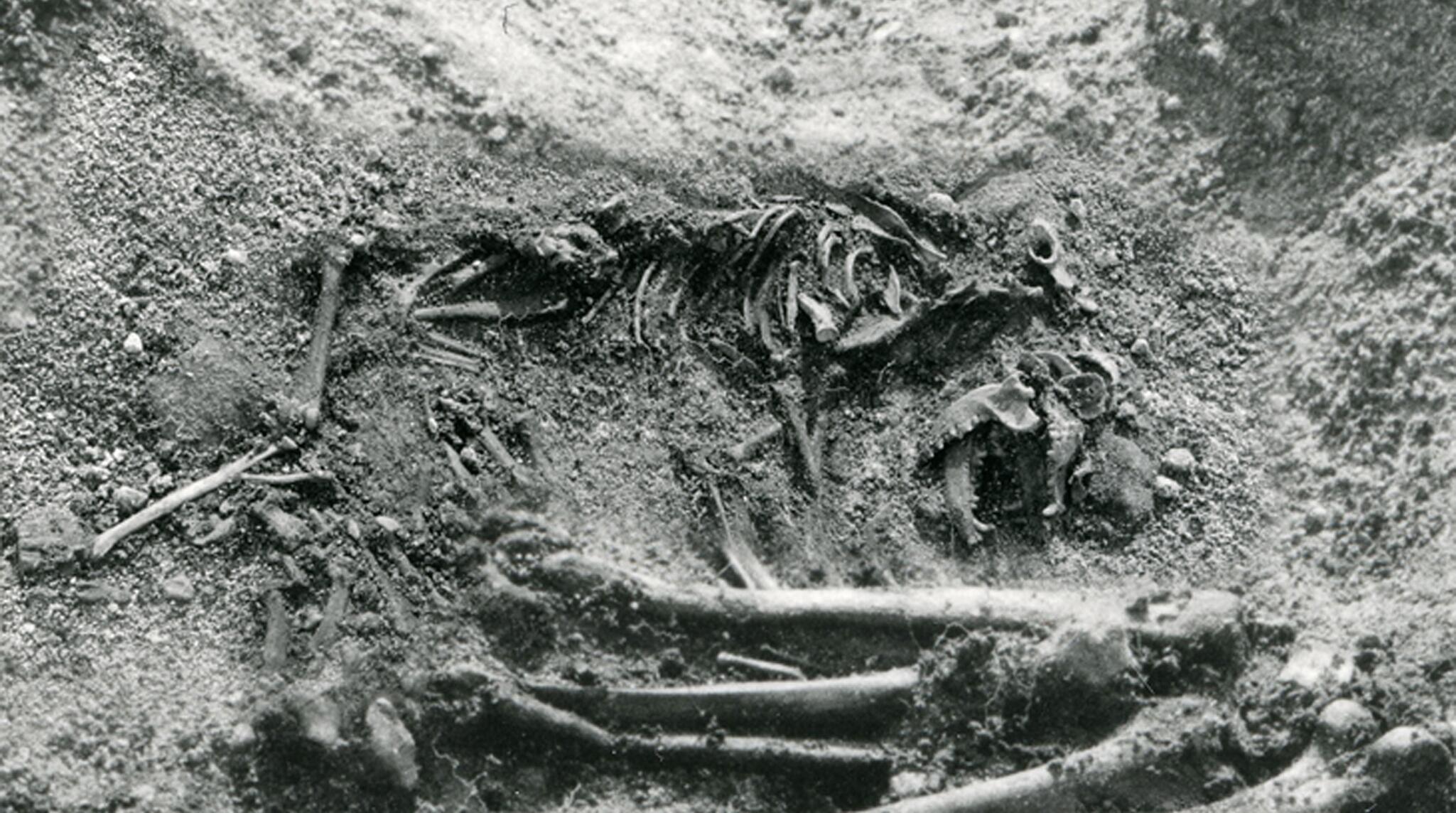
Among other things, in 1978 they found a skeleton lying in a fetal position in a boat with his head resting on a shield. At his feet lid a dog, which was probably his faithful companion.
Something interesting is that the man had a large hole in his head. Investigations were carried out and the hole does not appear to have been inflicted on the man during battle.
Child:
Did they drill a hole in his head!? Why?
Grandma:
I most likely was an attempt to operate on him. Similar cases of such attempted operations have been found elsewhere in the world.
Child:
So exciting, were there any treasures found?
Grandma:
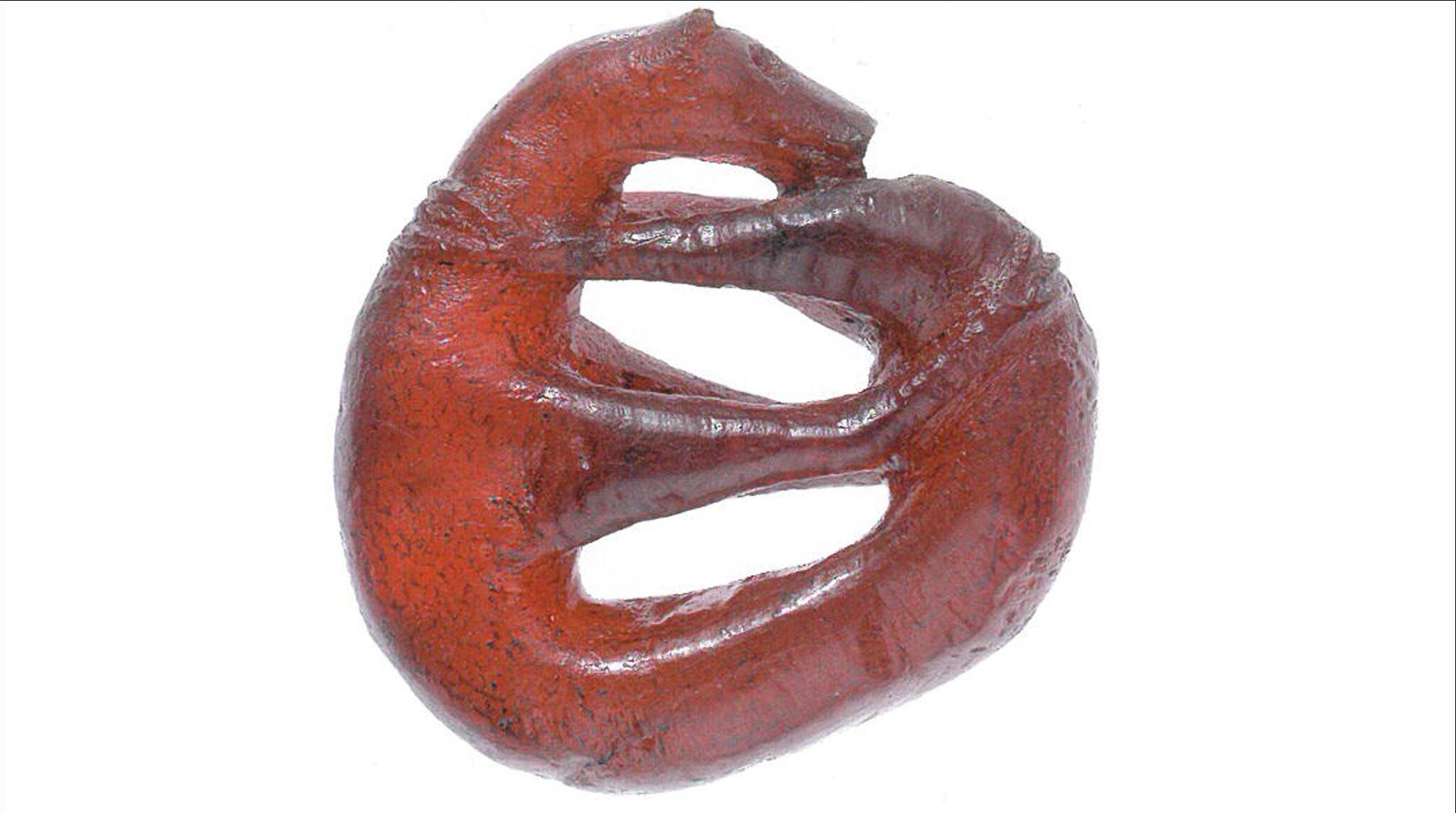
Many different things have been found. The most known is of course the Øysund jewellery, which we think originally was a decoration on a box. But the most unique thing is the Amber bear.
Child:
Amber bear?
Grandma:
It is a Bear figurine made of a material called Amber. The bear is in a strange position. With its front it grabs his own rear, thus forming a circle. It is approximately 4 cm in diameter. The amber bear was found together with a skeleton, refinished iron fragments and 18 pearls. The grave appears to have been a woman's grave.
Child:
What is Amber Grandma?
Grandma:
Amber is fossilized material from conifers. Since amber is not found naturally in Norway, we know that this has come from afar. Analysis at the Tromsø museum has revealed that the Amber Bear has its origins in the Baltics. This is tangible evidence that people traveled a lot during the Iron Age.
Child:
Cool
Subject text: Helge Seim og Gøril Pedersen
Screenplay: Helge Seim og Jan Ivar Bårtvedt
Voices: Astrid Margareth Sollie og Lean Iversen Hansen
Editing: Helge seim
Music and Soundeffect: freesound.org
Source:
- Utdrag fra rapport av 1978 i Topografisk Arkiv, Arkeologisk avdeling. Tromsø Museum. Ivar Oftedal: “Naturen i Farger; Steiner”. Aschehoug. 1991.
- Morten Romstad: Ravfunna på Melkøya” I “Ottar”, Tromsø Museum nr5, 2002
- Kulturminnesøk.no