













































Grandma:
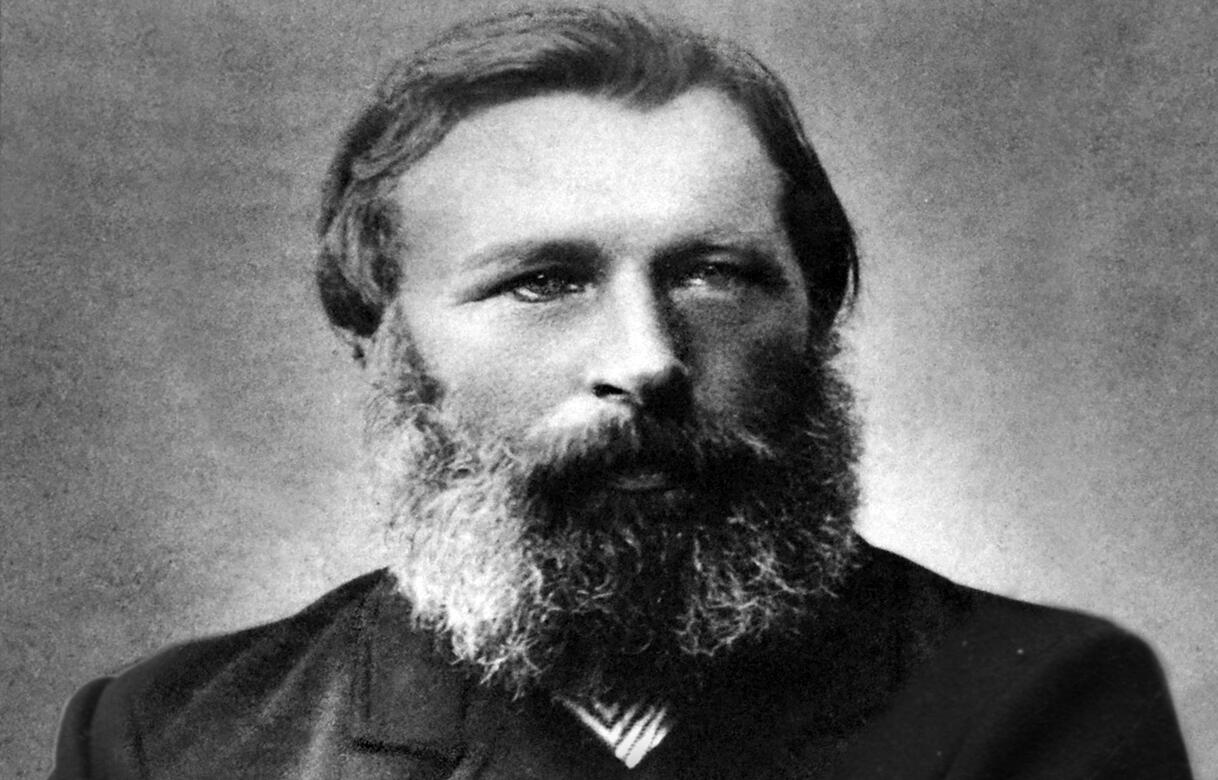
The farmer’s son, Christian Stene, was born on May 18, 1838, in Nærøy, Namdal. In 1865, he was admitted to Vefsn Teacher's College, and on March 24 the following year, he received his diploma as a certified teacher. On April 2 that same year, he was hired as a traveling schoolteacher in Rødøy parish, Meløy congregation.
Child:
traveling schoolteacher? That was when the teacher traveled around and taught at different farms?
Grandma:
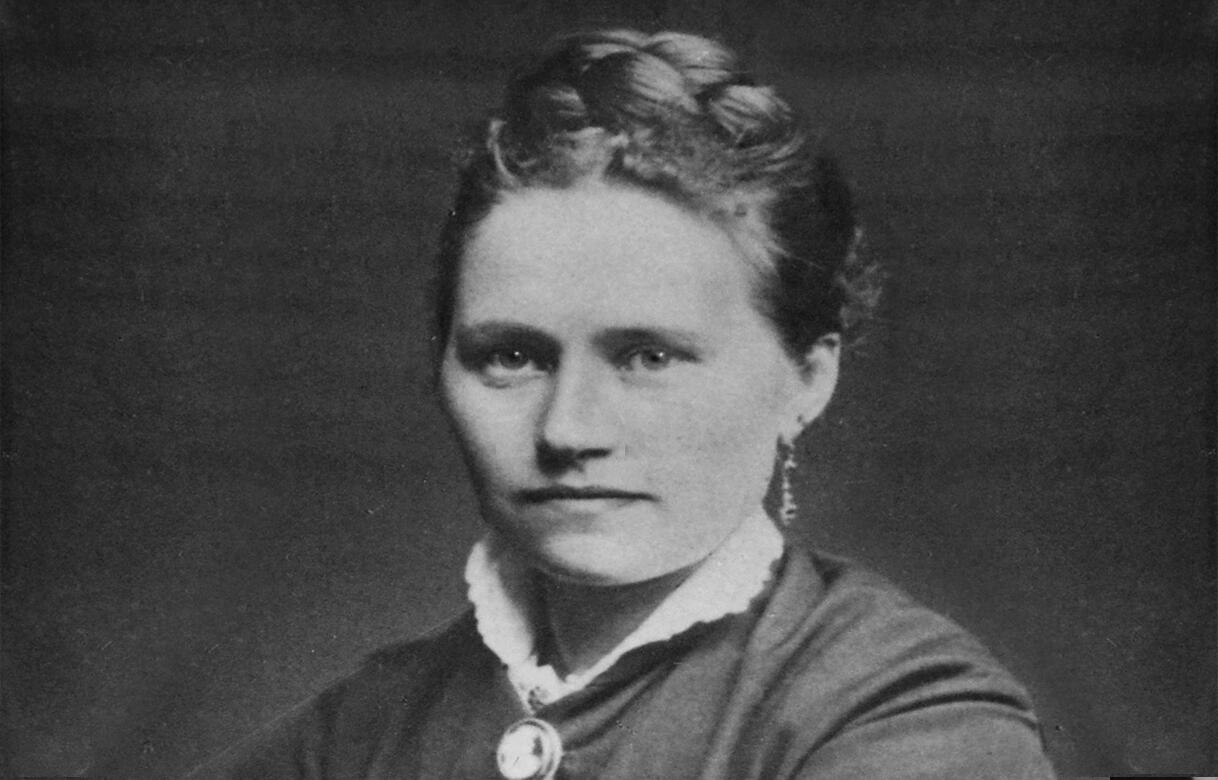
That’s right. It was during one of these visits that he met a girl named Edel Anna Catrine Pedersdatter. She fell in love with the teacher, who was 15 years older, and in 1871 they married. By then, Edel was 18 years old.
Child:
Did he marry his student?
Grandma:
Yes, it may sound strange today, but it was a different time. At that point, such an age difference was not particularly unusual.
Since the young couple didn’t have a house of their own, Edel Anna continued to live with her parents. She stayed there until they were expecting their first child, at which point she moved to Stene’s parents in Namdalen. In 1872, Stene’s first child, Ragna Eline, was born. They had another daughter in 1874, but that same year, both Edel Anna and the baby passed away.
Child:
That’s so sad.
Grandma:
True, but childbirth was a great strain on both mother and child. Infant mortality had started to decline, but it was still not uncommon. However, even though some lives end, those who remain must continue living. Life must go on.
In 1876, Stene bought a plot of land in Dalen, Reipå. He named the property Øde and built a house and an outbuilding. He made the house large enough to accommodate both a classroom and his private residence.
In 1877, Stene married his first wife’s sister, Christina Johanne Helene Pedersdatter, but she passed away that same year.
His third and final marriage was to his housekeeper, Cornelia Olea Margrethe. They married in 1879 and had six children together.
As the century drew to a close, the now nearly 60-year-old teacher began struggling with his health. He had developed both kidney disease and rheumatic fever. His health deteriorated to the point that in 1899, he applied for and was granted a pension.
He then purchased the Bø property in Reipå, where he lived until his death on June 15, 1911. The local community collected money for a memorial stone at his grave, which bears the inscription:
"YOU WERE A HELP AND COMFORT
THEREFORE, THIS MONUMENT IS RAISED
YOUR MEMORY LIVES ON."
Child:
So he was well-liked?
Grandma:
Yes, Stene was a great contributor to Meløy. Even as a young man, he was given access to books in both German and Latin. He had hoped to attend the University of Copenhagen to study veterinary medicine. However, it is said that the local priest did not find it suitable for a farmer’s son to pursue higher education, and as a result, it was the priest’s own son who ended up in Copenhagen instead.
Child:
That’s so unfair!
Grandma:
Yes, you could say that. But as I mentioned, it was a different time. Society was more divided, and people had a different understanding of what was right and proper.
That said, even though he never got the chance to study veterinary medicine, he remained interested in medicine for both people and animals throughout his life. He collected numerous books and writings on medical science and studied them diligently.
At the time, Meløy fell under the district medical office in Lurøy. This meant that medical help was far away if you needed it. That was likely why many people in Meløy turned instead to “Old Stene,” as they called him.
It is said that people came to him from as far away as Lofoten, Vesterålen, Hamarøy, and Salten. He had a remedy for everything and was always willing to help, often without asking for payment.
Child:
So that’s what they meant when they thanked him for his support?
Grandma:
Yes, among other things. Stene was also deeply involved in public affairs and played an active role in the local community. He was a pioneer in the village, and when Meløy became its own municipality in 1884, he was elected to the municipal council.
He served as deputy mayor and was a member of the executive committee, the school board, and the health commission, as well as numerous other committees.
He also actively worked to establish a church, a steamship dock, and a post office in Reipå. Additionally, he was an avid gardener, sharing seeds and plants with his neighbors.
Subject text: Helge Seim og Gøril Pedersen
Screenplay: Helge Seim
Voices: Evy Anne Bjærang og Avene Seim
Editing: Helge seim
Music and Soundeffect: freesound.org
Source:
- Jensen A.M. (1999) Årbok 15: Christian Martinius Stene Bondesønnen fra Namdalen som ble lærer på øde Meløy Historielag