














































I don`t actually remember the exact moment when people settled here. You know, the older you get, the harder it becomes to distinguish the years from each other. Nevertheless, I believe it was around the Middle Ages.
A shared challenge among those who settled here was dealing with the glacier's edge. It changed from year to year and from month to month. Cracks appeared only to later close. Occasionally, caves and glacier gates opened before disappearing as well. Large and small ice blocks tumbled out and disappeared. It rumbled, cracked, and grumbled on its journey. It gurgled, splashed, and roared.
*Laugh
Yes, even though it might not be easy for everyone to understand, none of my neighbors doubted that I was a living creature.
I'll skip talking about Fonndalen farm for now, as I'll cover it in another post. Instead, I'll tell you about Storsteinøren farm. Well... There isn't much to say about it really, other than they might have been a bit too bold when deciding how close to the ice cap it should be. As I mentioned earlier, I was growing until the 1750s. Consequently, Storsteinøren farm had to surrender to the ice. Actually It's said to have been buried by the ice early 1720s.
*Psh! But personally, I think that's an exaggeration. I understand that the large amounts of meltwater may have posed some challenges regarding drainage and frost damage to crops, but I certainly did not bury anyone!...
Next, I want to talk about is Svartisen farm. It's not far from where Storsteinøren was, but it's not the same.
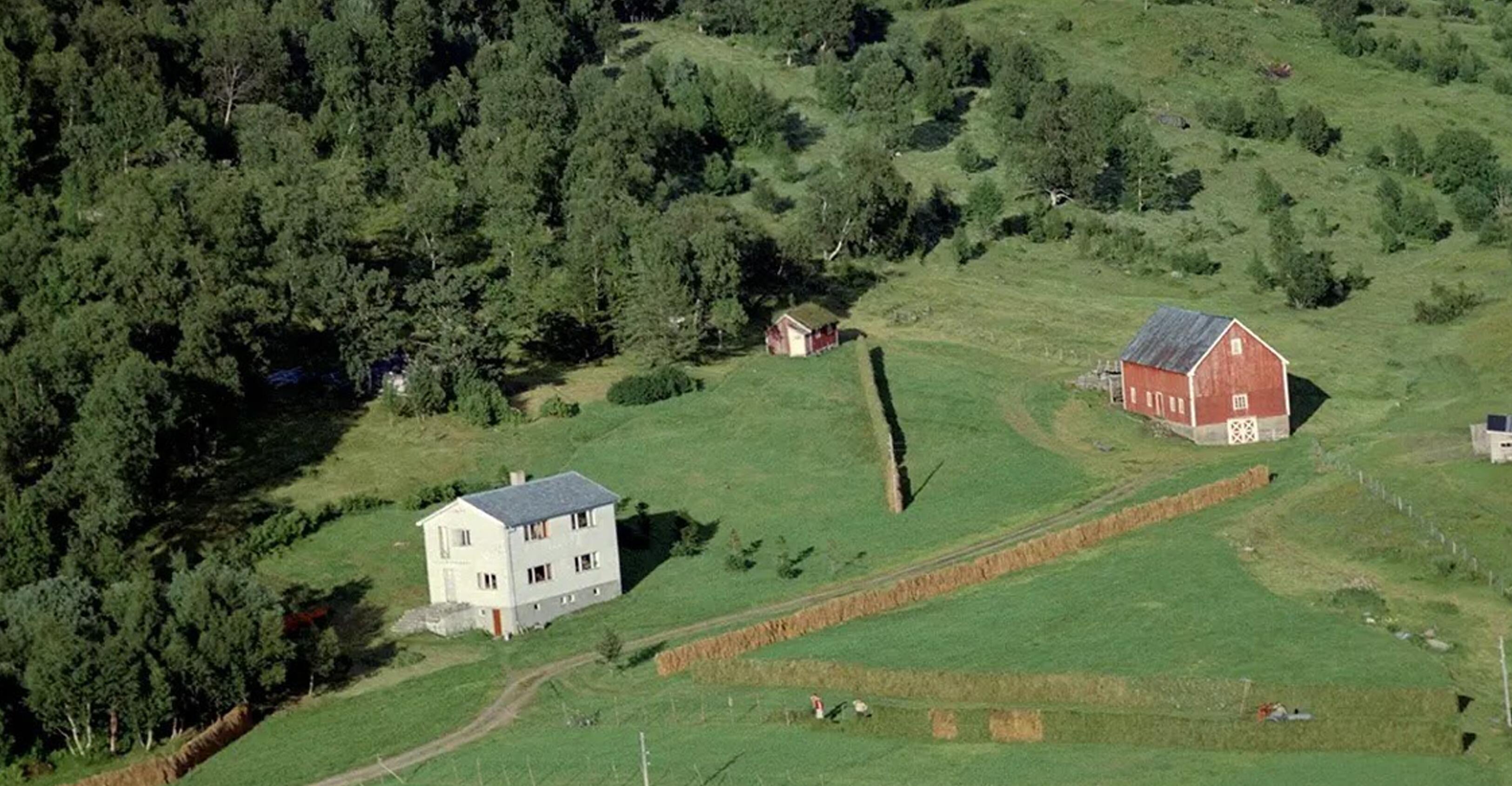
The farm has had many names. Engeøyra, Fonnstrand, and before that Fonnøyr. And even though it didn't suffer the same fate as Storsteinøren, there were still challenges with meltwater here aswell. In the land register protocol from 1723, one can read that "Funnøyren is daily damaged by River and Ice Flow."Nevertheless, the farm survived.
In 1892, Hans Larsen bought the farm from Ole Jakobsen. The first few years they operated the farm together. It should also be noted that these two gentlemen were the ones who started organized tourism on Engenbreen.
In earlier times, Norway was a community who focused on self-sufficiency. To survive in a harsh world, it was important to have several sources of income. The most common combination was agriculture and fishing, but beyond the 1900s, it gradually became common to combine farm operations with jobs in local industries. In this area, I'm referring to the industrial adventure at Rendalsvik. It was however a short-lived affair, but enough about that.
Regardless, when an increasingly significant part of the workforce shifted from food production to other jobs, it became clear that those who still produced food had to do so in much more efficient ways. Gradually this meant that the society shifted from a duel income to focus on just one.
Ultimately, this also began to affect the tourist engagement, but I'll that’s a story for another post.
Subject text: Helge Seim
Screenplay: Helge Seim
Voice: Marit Emilie Meidelsen Øvrebø
Editing: Helge seim
Music and Soundeffect: freesound.org
Source:
-Myrvang, A. (2000) – Med Svartisen som Nabo.
-Steinar Johansen intervjue 2.11.23
